Preparation
Step 1: Prepare your workspace by arranging all the ingredients at room temperature, which will make them easier to combine later. Preheat the oven to 180°C (350°F) and prepare a small cake tin by greasing it generously with coconut oil or butter, or lining it with parchment paper. This initial preparation is crucial to prevent the cake from sticking when unmolding.
Step 2: Select very ripe bananas, ideally with yellow peels speckled with brown spots, as this indicates a higher concentration of natural sugars. In a large bowl, thoroughly mash the bananas with a fork until you have a smooth purée without large lumps. The consistency should be creamy and uniform.
Step 3: Add the four eggs to the banana puree and whisk vigorously with a hand whisk or fork for 2-3 minutes until the mixture becomes frothy and slightly lighter in color. This whisking incorporates air which will contribute to the final fluffy texture of the cake.
Step 4: If using rolled oats, grind them first in a food processor or blender until you have a coarse flour. It doesn’t need to be as fine as commercial flour, as a slightly grainy texture will add interest to the finished cake.
Step 5: Gradually incorporate the ground oats or ground almonds into the egg and banana mixture, gently folding them in. Add the baking powder, ensuring it is evenly distributed to guarantee uniform rising.
Step 6: Add the cinnamon, vanilla, and a pinch of salt, gently but firmly mixing in all the flavorings. If you choose to include nuts, raisins, or chocolate chips, add them now, distributing them evenly throughout the batter.
Step 7: Mix all the ingredients until you have a smooth dough, but avoid overmixing, which could make the final product tough. The consistency should be creamy but not runny, similar to a thick puree.
Step 8: Pour the mixture into the prepared mold, spreading it evenly and smoothing the surface with a spatula. Gently tap the mold against the work surface to remove any large air bubbles that could create unwanted cavities.
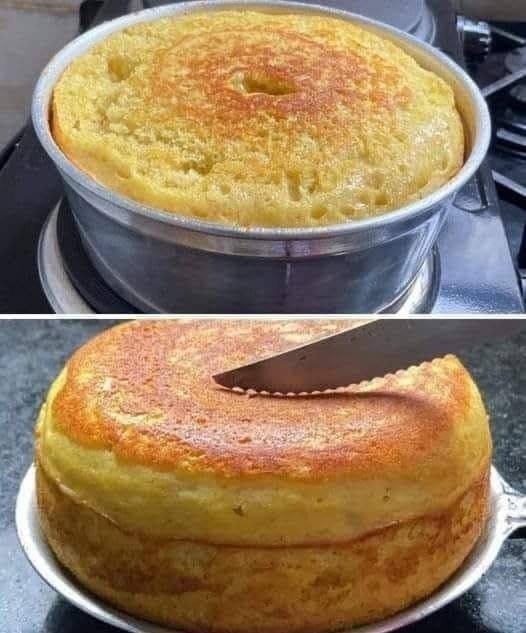
Step 9: Bake for 30-35 minutes, checking for doneness by inserting a toothpick into the center. The cake is ready when the toothpick comes out clean or with just a few moist crumbs clinging to it. The surface should be golden brown and slightly firm to the touch.
Step 10: Remove from the oven and allow to cool in the pan for 10 minutes before unmolding onto a wire rack. This resting time allows the structure to settle and facilitates a perfect unmolding without breakage.
Variations
Intense Chocolate Version: Add 2 tablespoons of unsweetened cocoa powder to the dry mix to create a deep, rich chocolate cake. This variation satisfies chocolate cravings while maintaining a healthy profile, also providing beneficial antioxidants from cocoa.
With berries: Stir in half a cup of chopped blueberries, raspberries, or strawberries to add antioxidants, vitamin C, and bursts of tartness that beautifully contrast with the sweetness of the bananas. The fruit also adds color and visual appeal to the cake.
Tropical version: Substitute some of the banana with ripe mango puree and add unsweetened shredded coconut. This combination creates an exotic flavor reminiscent of tropical paradises, while providing different textures and complementary nutrients.
Grain-free with coconut: For those who completely avoid grains, replace the ground oats with finely grated coconut and almond flour in a 1:1 ratio. This version is especially rich in healthy fats and has a more intense and satisfying flavor.
With aromatic spices: Add a pinch of nutmeg, ground ginger, or cardamom along with the cinnamon to create a more complex spice profile. These spices not only add flavor but also beneficial digestive and antioxidant properties.
Cooking Tips
The choice of bananas is crucial to the success of this cake. Always use very ripe fruit, as their higher natural sugar content will provide the necessary sweetness. Bananas with completely yellow peels and brown spots are ideal, even those that seem too ripe to eat straight.
For a fluffier texture, consider separating the egg whites and whipping them to stiff peaks before gently folding them in at the end of the batter. This advanced technique adds exceptional volume and lightness to the finished cake.
Homemade ground oats often yield better results than commercially pre-ground oat flour. Process traditional rolled oats until you reach the desired texture, adjusting the fineness to your personal preference.
Avoid opening the oven during the first 20 minutes of baking to prevent the cake from deflating. The structure is still forming and needs consistent heat to develop properly without interruption.
Adjust the cooking time according to the size of your pan. Smaller, deeper pans will require a few extra minutes, while wider, shallower pans will cook more quickly.
Serving Suggestions:
This healthy sponge cake is perfect for nutritious breakfasts, served with natural Greek yogurt for added protein and beneficial probiotics. The combination of creamy and fluffy textures creates a satisfying dining experience that provides sustained energy throughout the morning.
For comforting snacks, pair with fresh seasonal fruits like strawberries, kiwis, or sliced peaches. This combination provides extra vitamins, fiber, and vibrant colors that make the presentation more appealing while increasing the overall nutritional value.
For a light dessert, serve warm with a dollop of almond cream or natural peanut butter. These additions provide healthy fats and protein that perfectly complement the cake’s carbohydrates, creating a balanced and satisfying dessert.
For special occasions, decorate with a simple frosting made with low-fat cream cheese and stevia, or sprinkle with refined sugar-free powdered sugar. These more elaborate presentations transform the humble sponge cake into a celebratory dessert without compromising its healthy benefits.
Presented in individual portions accompanied by herbal tea or coffee, creating moments of conscious pause where pleasure and well-being meet in perfect harmony.
Tips:
Prepare double batches and freeze individual portions wrapped in cling film to always have healthy options on hand. The cake thaws quickly at room temperature and perfectly retains its original texture and flavor.
Use very ripe bananas that are no longer appealing to eat directly. This practice reduces food waste while making the most of the fruit’s natural sweetness at its peak ripeness.
Experiment with different types of ground nuts as a base. Ground almonds, walnuts, hazelnuts, or chestnuts create unique flavor profiles and provide different nutrients, allowing you to customize the cake according to specific dietary preferences.
Keep the prepared dough in the refrigerator up to 24 hours before baking, allowing the flavors to meld better and making it easier to plan bakes for specific occasions.
Add citrus zest such as lemon, orange or lime to provide aromatic freshness and extra vitamin C without increasing the calorie content or compromising the healthy profile of the cake.
Preparation Times
Preparation time: 15 minutes Cooking time: 35 minutes Total time: 50 minutes
These times may vary depending on the cook’s experience and the efficiency with which the ingredients are prepared. The recipe’s simplicity allows even beginners to complete the preparation without difficulty, while experienced cooks can optimize the process for greater efficiency.
The cooling time, although not included in the active time, is important to allow the structure to fully settle. Proper cooling of at least 15 minutes significantly improves the texture and makes it easier to cut into uniform portions.
Nutrition Facts
Calories: 180 kcal per serving (based on 8 servings) Protein: 8 grams per serving Sodium: 120 mg per serving
This cake offers a superior nutritional profile compared to traditional cakes, with a higher protein content from the eggs and a lower glycemic load thanks to the absence of refined sugars. The fiber from the oats contributes to satiety and helps control blood sugar levels.
The fats present are primarily unsaturated and come from natural sources such as eggs and optional nuts. The carbohydrate content is moderate and comes from complex sources that provide sustained energy without pronounced blood sugar spikes.
The vitamin content includes B vitamins from eggs and oats, potassium from bananas, and various antioxidants from added spices, creating a comprehensive nutritional profile that benefits overall health.
Frequently Asked Questions
: Can I use green or unripe bananas? It is not recommended, as green bananas contain fewer developed sugars and more starch, resulting in a less sweet cake with a different texture. The ripeness of the bananas is crucial to achieving the necessary natural sweetness.
Is it possible to make this cake completely without eggs? Yes, you can substitute each egg with a mixture of 1 tablespoon of ground chia seeds and 3 tablespoons of water, letting it sit for 15 minutes. However, the texture will be slightly denser but equally delicious.
How long does this cake keep? Properly stored in an airtight container in the refrigerator, it stays fresh for up to 5 days. At room temperature, it keeps for 2-3 days in cool climates. It can also be frozen for up to 3 months without losing quality.
Can I add more sweetness if the bananas aren’t sweet enough? You can incorporate pitted dates, stevia to taste, or honey in small amounts. However, try the original version first, as many people find the natural sweetness of ripe bananas perfectly satisfactory.
Is this cake suitable for diabetics? Although it contains no added sugar, bananas do provide natural fructose. People with diabetes should consult their doctor and consider portion sizes, although the high fiber content helps moderate the glycemic response.
Conclusion
This soft, sugar-free, and flourless sponge cake represents a quiet revolution in our kitchens, demonstrating that it’s possible to reconcile culinary pleasure with conscious care for our health. This recipe transcends the traditional limitations of baking to create something genuinely new: a treat that nourishes both body and soul without compromise or sacrifice.
The simplicity of its ingredients contrasts with the complexity of flavors and textures it creates, demonstrating that true culinary mastery lies in maximizing the potential of each natural component. Every bite of this cake is a celebration of mindful eating, where each ingredient contributes not only flavor but also tangible nutritional benefits.
This recipe is much more than just a healthy alternative; it’s an invitation to rediscover the authentic pleasure of natural flavors, freeing us from our dependence on refined sugars and processed flours. By mastering this recipe, you’ll not only be creating a delicious dessert, but also adopting a more conscious and sustainable culinary philosophy.
The endless versatility of this base allows you to creatively explore different combinations of flavors and textures, making every bake an opportunity for discovery and experimentation. It’s living proof that eating healthily doesn’t mean giving up pleasure, but rather finding new ways to experience it.
