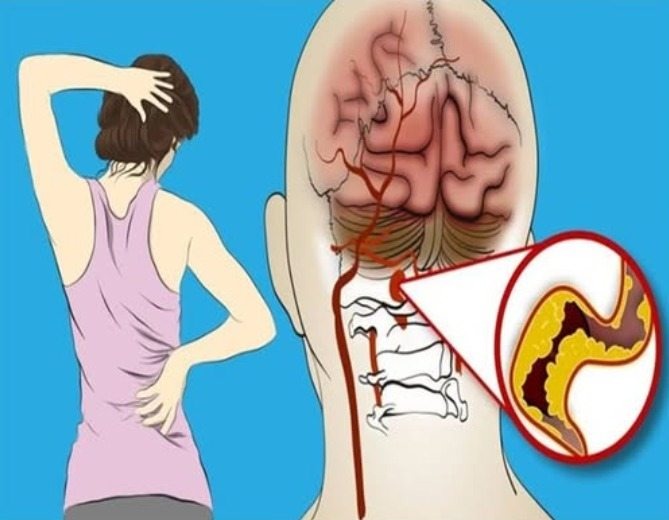
Partial or total loss of vision in one or both eyes is an important symptom of a stroke. Vision may become blurred, cloudy, or the visual field may narrow.
5. Sudden and intense headache
Sudden and intense headaches without apparent cause, especially when accompanied by other neurological symptoms, may indicate a hemorrhagic stroke.
6. Dizziness or loss of balance:
The person may feel extremely dizzy, lack of coordination, or difficulty walking, as if they were staggering.
7. Difficulty swallowing.
Also known as dysphagia, this difficulty arises due to loss of control of the muscles that assist in swallowing.
8. Loss of consciousness
In severe cases, a stroke can cause loss of consciousness or a state of profound lethargy. This is a symptom that requires immediate medical attention.
9. Numbness in the face
In addition to muscle weakness, a stroke can cause numbness in the face, usually affecting only one side. An asymmetrical smile can be a clear indicator.
10. Inability to lift an arm:
If a person is unable to lift an arm or keep it raised, this may be a sign that the muscles are being affected by the stroke. 81 years of marriage, 110 grandchildren, but these two still love each other like teenagers.
Read also:
81 years of marriage, 110 grandchildren, but these two still love each other like teenagers.
11. Sudden memory loss or confusion.
Sudden cognitive decline, which includes memory loss and inability to recognize familiar people or objects, is also a common sign of stroke.
12. Sudden nausea or vomiting.
Nausea, sudden vomiting, and a general feeling of malaise may occur, especially in cases of hemorrhagic stroke.
Causes of Stroke: Risk Factors
The two main types of stroke have different causes, but both are associated with health conditions and lifestyle habits.
Causes of Ischemic Stroke
An ischemic stroke is caused by the blockage of an artery that carries blood to the brain. The main causes include:
Atherosclerosis: The buildup of fatty plaques in the arteries.
Atrial fibrillation: Irregular heartbeats that can lead to the formation of blood clots.
Hypertension and diabetes: Chronic diseases that damage blood vessels over time.
Causes of Hemorrhagic Stroke
A hemorrhagic stroke occurs when a blood vessel in the brain ruptures. The most common causes are:
