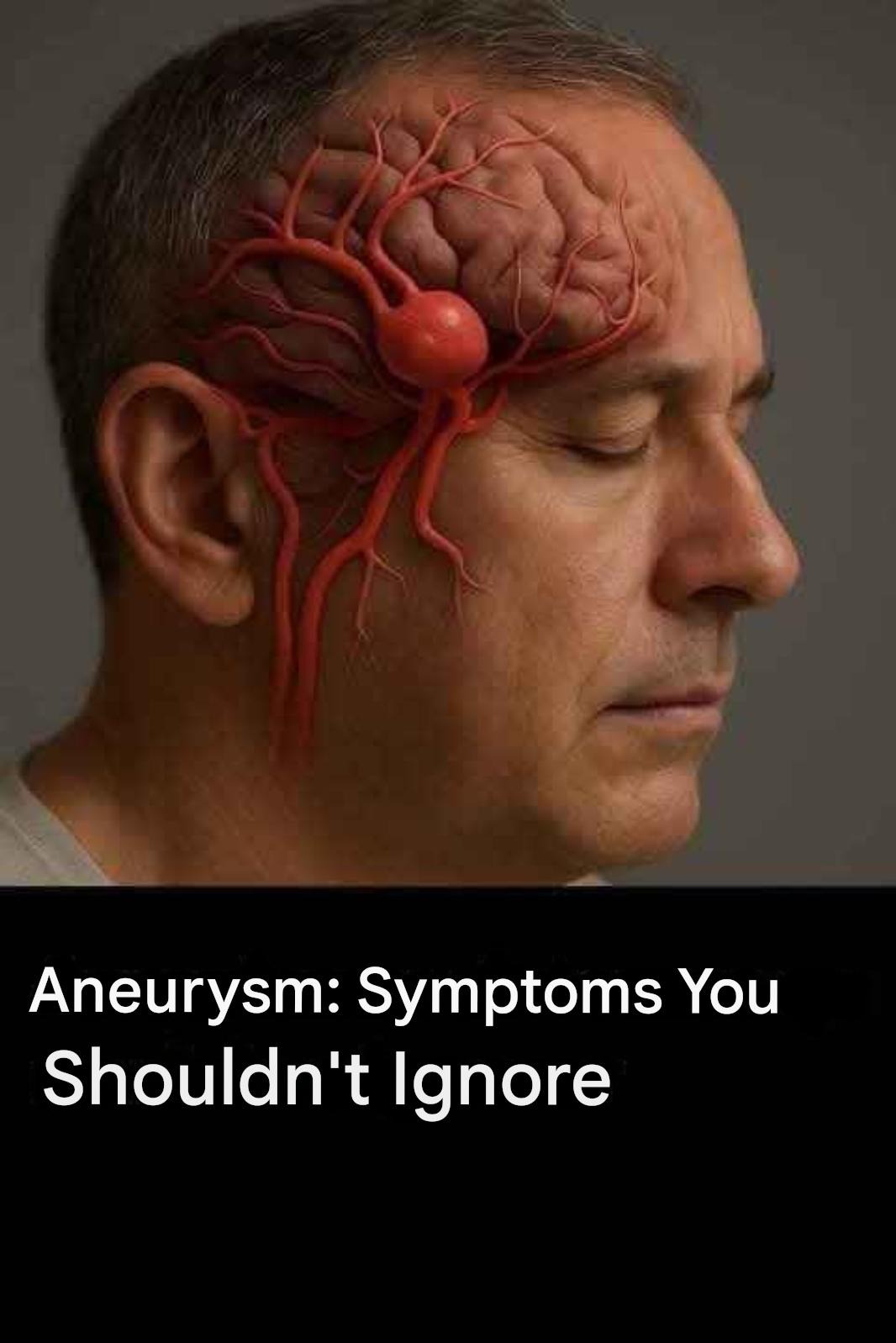
Aneurysms rarely have a single cause. They are usually the result of a combination of genetic and environmental factors that, over time, compromise the integrity of the arterial wall.
- High blood pressure (hypertension)
 : This is one of the most significant factors. Elevated pressure exerts constant force on the walls of the blood vessels, stressing and weakening the most vulnerable areas.
 - Atherosclerosis (Plaque Buildup) : Plaque, composed of fat, cholesterol and other substances, not only narrows the arteries, but also inflames and damages their inner wall, facilitating the formation of an aneurysm.
- Genetic Predisposition and Family History : Having a first-degree relative (parents, siblings) who has suffered an aneurysm significantly increases your risk. Some people are born with an inherent predisposition to having weaker arterial walls.
- Smoking : Smoking is a critical and modifiable risk factor . Tobacco toxins directly damage the endothelium (the inner lining of the arteries) and accelerate the degenerative process.
- Severe Trauma or Infection : A severe blow or an infection affecting a blood vessel (vasculitis) can initiate the weakening process that leads to an aneurysm.
- Connective Tissue Diseases : Conditions such as Marfan syndrome or Ehlers-Danlos affect the proteins that provide strength and elasticity to tissues, including blood vessels.
- Age and Gender : The risk increases with age, and men have a higher incidence of abdominal aortic aneurysms than women.


Key Symptoms: When to Pay Attention

The great paradox of aneurysms is that, while they are intact and small, they are often “silent” or asymptomatic . Many are discovered incidentally during imaging tests performed for other reasons. However, when they grow or rupture, the warning signs are unmistakable and require immediate action.
Symptoms of a Cerebral Aneurysm
- Sudden, severe headache : Often described as “an explosion” or “the worst headache of my life”.
- Nausea and projectile vomiting, without apparent cause.
- Blurred or double vision, and extreme sensitivity to light (photophobia) .
- Stiffness in the neck .
- Seizures, loss of consciousness, or severe confusion .
- Drooping eyelid (ptosis) or difficulty moving the eyes.

