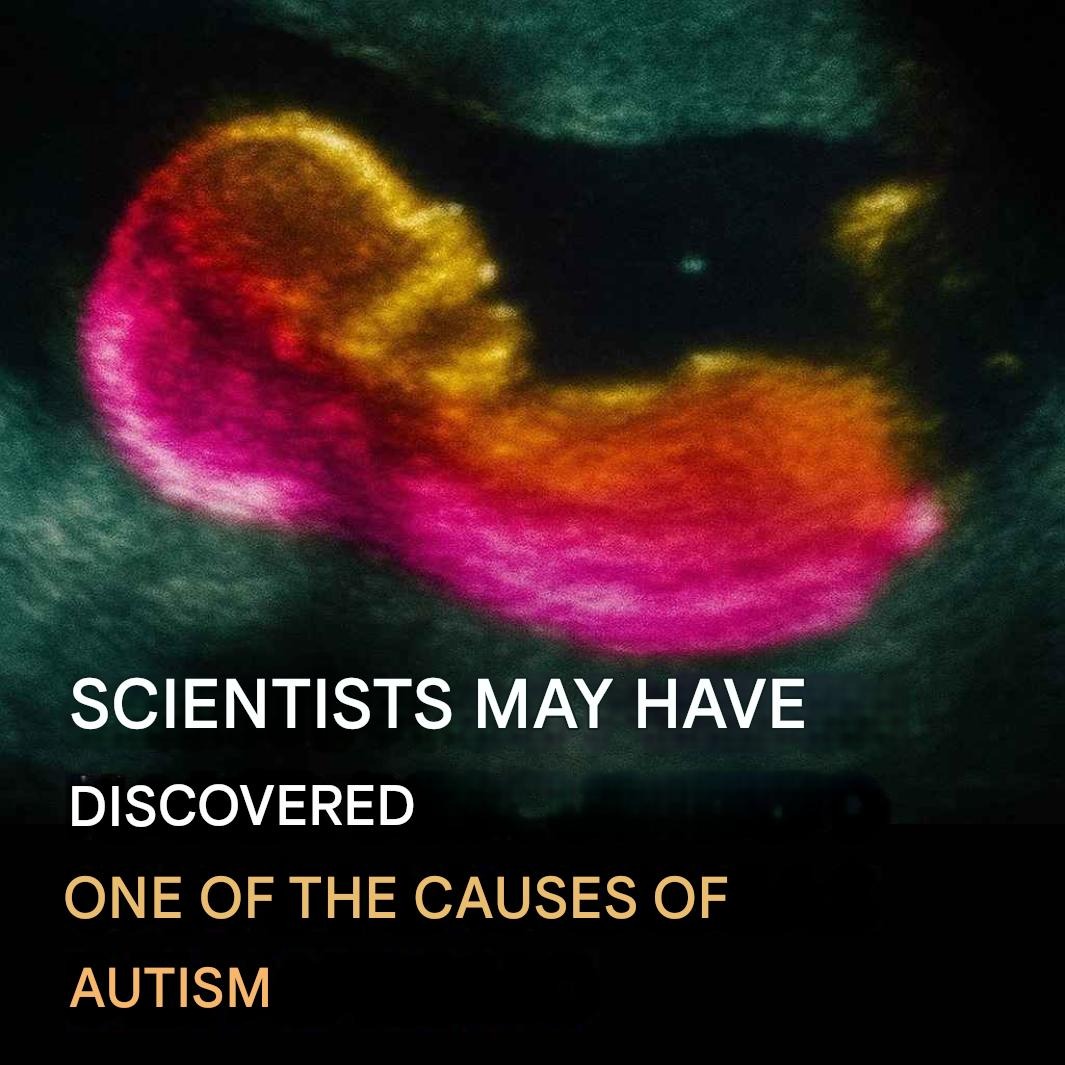
In recent years, science has begun to look more closely at the role of the gut ecosystem during gestation, not only in relation to digestion and immunity, but also in its influence on the baby’s brain development.
A study from the University of Virginia, published in the Journal of Immunology , ignited the debate: could the maternal microbiota influence the risk of autism?
The microbiota: an invisible ecosystem with great power
The gut microbiota is made up of trillions of bacteria that regulate hormones, metabolism, and the immune system. During pregnancy, this “invisible universe” can undergo changes that affect the chemical messages that cross the placenta and reach the developing brain.
The IL-17A molecule under the microscope
The study focused on interleukin-17A (IL-17A), a cytokine related to inflammatory processes and autoimmune diseases.
In animal models, when mothers had an inflammatory gut microbiota, their IL-17A levels increased. As a result, the offspring exhibited behaviors reminiscent of autism spectrum disorder (ASD), such as repetitive movements and reduced sociability.
The role of fecal transplantation
The researchers went further: when they transferred the “inflammatory” microbiota to healthy females, the offspring also exhibited high levels of IL-17A and autistic traits. In contrast, blocking this molecule during gestation prevented these effects, regardless of the original bacteria.
